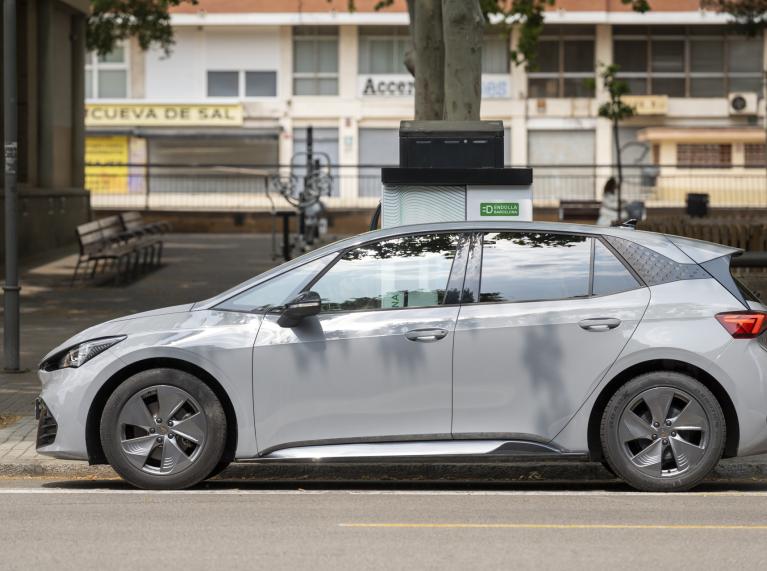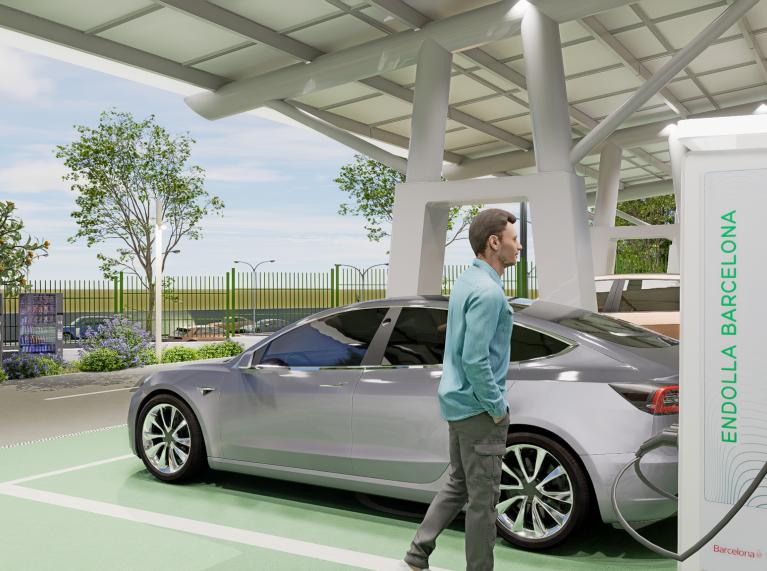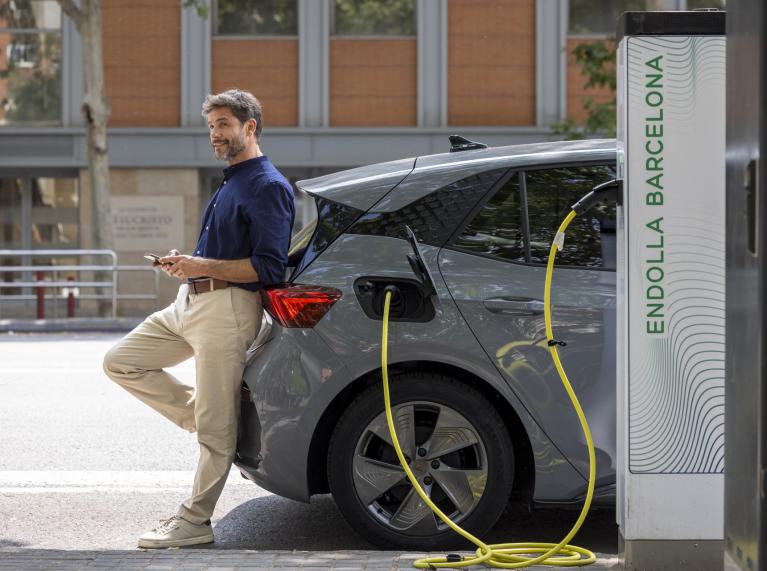
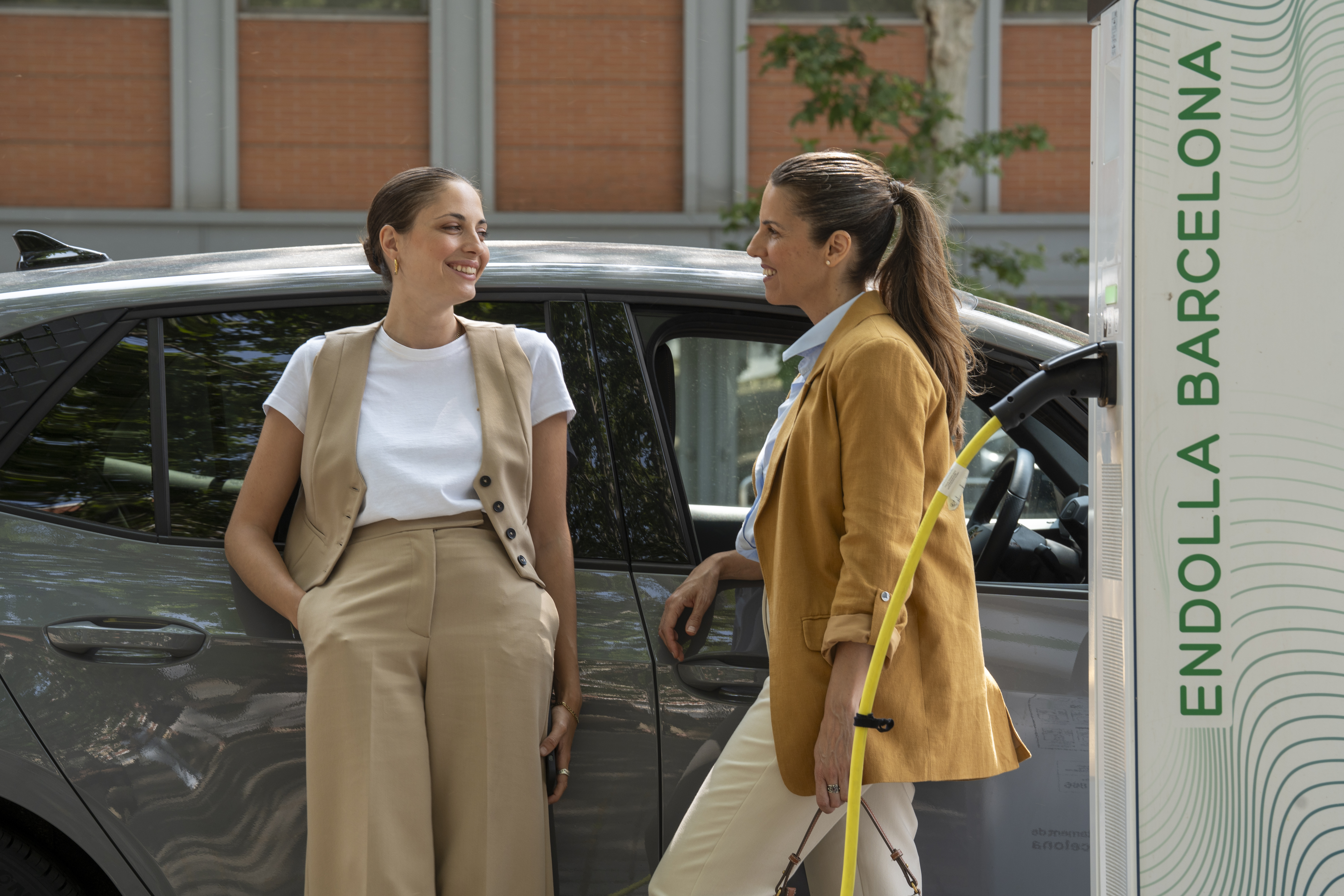
Endolla Barcelona is adding high-speed 160 kW chargers to its network in 2026. This new infrastructure cuts charging times significantly and facilitates a more practical and integrated electric mobility model, ready for future growth.
What are high-speed 160 kW chargers?
High-speed chargers are direct current charging stations that transfer energy directly and efficiently to vehicle batteries. The 160 kW power output is a leap forward compared to conventional systems, allowing for faster range recovery and better adaptation to the pace of urban life.
In a city like Barcelona, this technology addresses the need to charge vehicles during short time frames, without disrupting people’s daily routines.
How do they differ from other charging points?
The main difference is the speed of energy supply. While lower-power charging points are designed for prolonged charging, these high-speed points are designed to offer energy much faster.
This translates into:
Less waiting time per user
Greater vehicle rotation
Better use of public space
The exact charging time depends on the vehicle and the battery’s condition, but in optimal conditions it can be reduced to roughly 20-30 minutes, making it possible for users to charge their vehicles while carrying out other everyday activities in the city.
Why are they important for the future of electric mobility?
The rollout of these high-speed charging points plays a key role in strengthening urban electric mobility. They not only improve user experience, but also strengthen people’s trust in public infrastructure and help reduce range anxiety.
They also help accelerate the energy transition by:
Facilitating the intensive use of electric cars.
Increasing the grid’s service capacity.
Helping to reduce emissions and improve air quality.
This change is not only technological; it also reflects the urban mobility model’s shift towards more efficient and sustainable systems.
The challenges of integrating high power outputs in urban environments
High-speed chargers require a more robust power infrastructure than conventional points. Installing them often entails adapting the distribution grid and carefully planning the management of the energy demand to ensure a stable power supply.
The installations must also be flexible and capable of adapting to the constant evolution of batteries and the new electric mobility needs in the coming years.
Barcelona accelerates towards more sustainable mobility
In this context of ongoing evolution, the Endolla Barcelona network is improving its infrastructure with new 160 kW chargers at various locations across the city throughout 2026.
This expansion will strengthen the grid’s capacity to handle a gradual increase in electric vehicles and keep building a cleaner and quieter city that’s prepared for the mobility of the future.
With this addition, Barcelona is moving towards a more mature infrastructure model, adapted to the real pace of urban life. High-speed chargers are therefore a strategic element in making electric mobility more practical, accessible and integrated into daily life.