
Barcelona closed 2025 with record-low air pollution, according to the latest official air quality data published by the City Council. Nitrogen dioxide (NO₂) readings – one of the main indicators of urban pollution linked to vehicle traffic – fell by between 4% and 12% compared to 2024 across all monitoring stations throughout the city. This decline consolidates the downward trend observed over the past three years, as detailed in the monthly air quality reports published by the Barcelona Public Health Agency, and brings NO₂ levels below the current limits set by the European Union (40 µg/m³).
These are the best figures ever recorded in Barcelona and are the result of structural measures such as the introduction of the low-emission zone, the renewal of the vehicle fleet and the gradual reduction of the most polluting vehicles in urban traffic. Despite this positive trend, the Deputy Mayor for Climate Action and Mobility has stressed that further progress is still needed to meet the WHO’s recommended thresholds and the upcoming EU limits for 2030.
What does this improvement mean for public health and sustainable mobility?
Improved air quality has a direct impact on residents’ quality of life. The data show a significant drop in pollution-related mortality compared to previous periods. This reduction is largely attributed to improved traffic conditions and lower exposure to pollutants such as NO₂.
However, some organisations and experts point out that the most ambitious health goals have yet to be achieved, and that sustainable mobility policies must be strengthened to ensure that the city’s busiest areas – such as the Eixample – continue to see reductions in pollution levels. This includes more actively promoting the shift towards cleaner vehicles and alternative forms of mobility, such as public transport, cycling and electric vehicles.
Electric vehicles and their impact on air quality
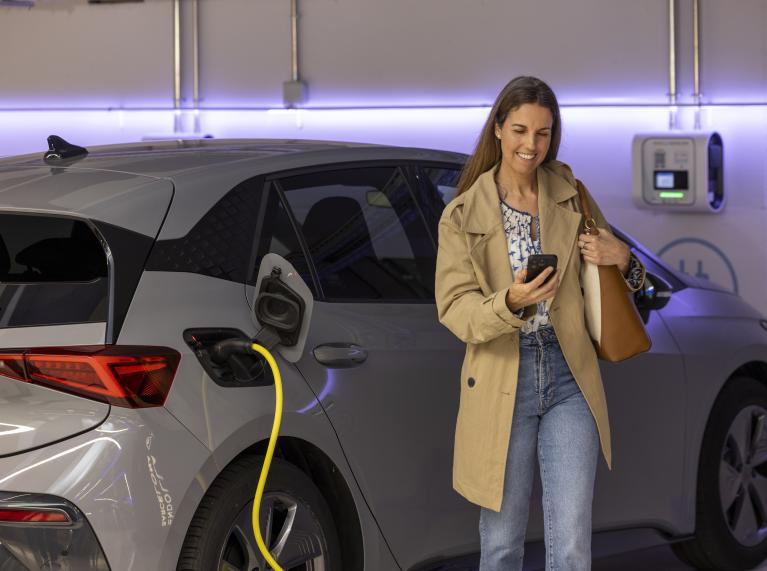
One of the key factors driving the reduction in traffic-related emissions is the steady rise in vehicles with Eco and Zero environmental labels, which incorporate cleaner technologies such as electric motors and plug-in hybrid systems. The use of these vehicles in Barcelona has increased year on year, with the expansion of the city’s public charging infrastructure playing a crucial role.
The shift towards electric mobility not only helps to reduce pollutant emissions but also contributes to lower greenhouse gas emissions, making the city healthier and more liveable.
Endolla Barcelona: accelerating electric mobility in the city
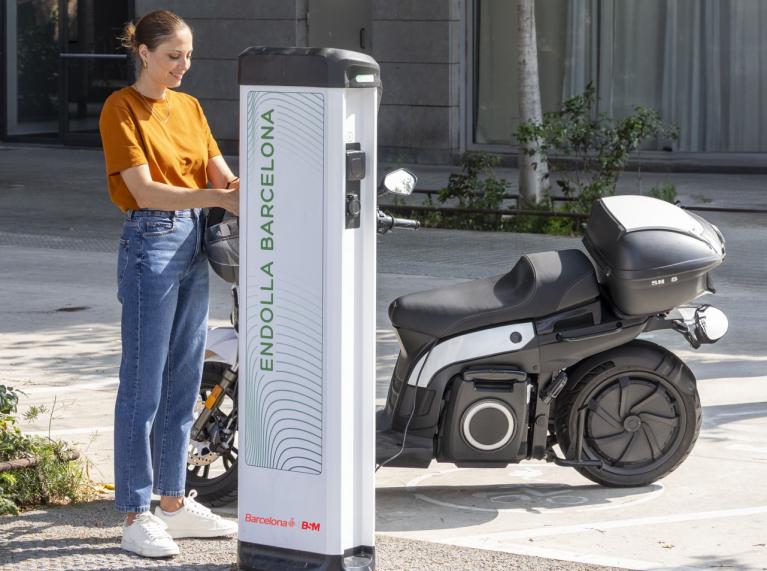
Against this backdrop of environmental progress, Endolla Barcelona plays a vital role in accelerating the transition to cleaner, more sustainable mobility. As the city’s public network of electric vehicle charging points, Endolla has grown steadily in both coverage and user uptake, with more than 1,000 charging points distributed across the city and thousands of recharges every month.
In 2025, the network introduced key improvements to boost efficiency and enhance the user experience, including longer surface charging times, the ability to charge two vehicles simultaneously at certain locations and a shift towards higher-capacity charging points that shorten charging times and offer greater convenience for drivers.
Endolla Barcelona’s mission is closely aligned with the city’s air quality goals: to facilitate and democratise access to electric mobility, reduce dependence on fossil fuels and promote a population less exposed to pollution. Each recharge made through the network is another step towards a cleaner, healthier and more sustainable Barcelona for all.