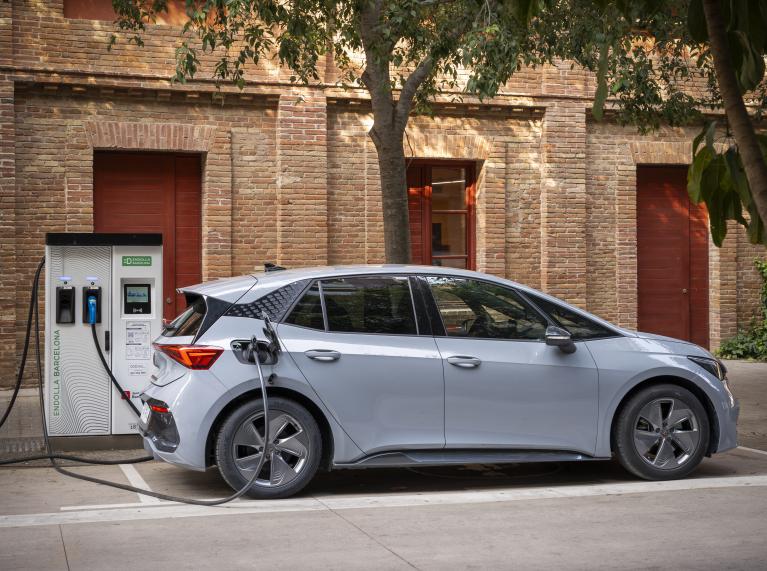
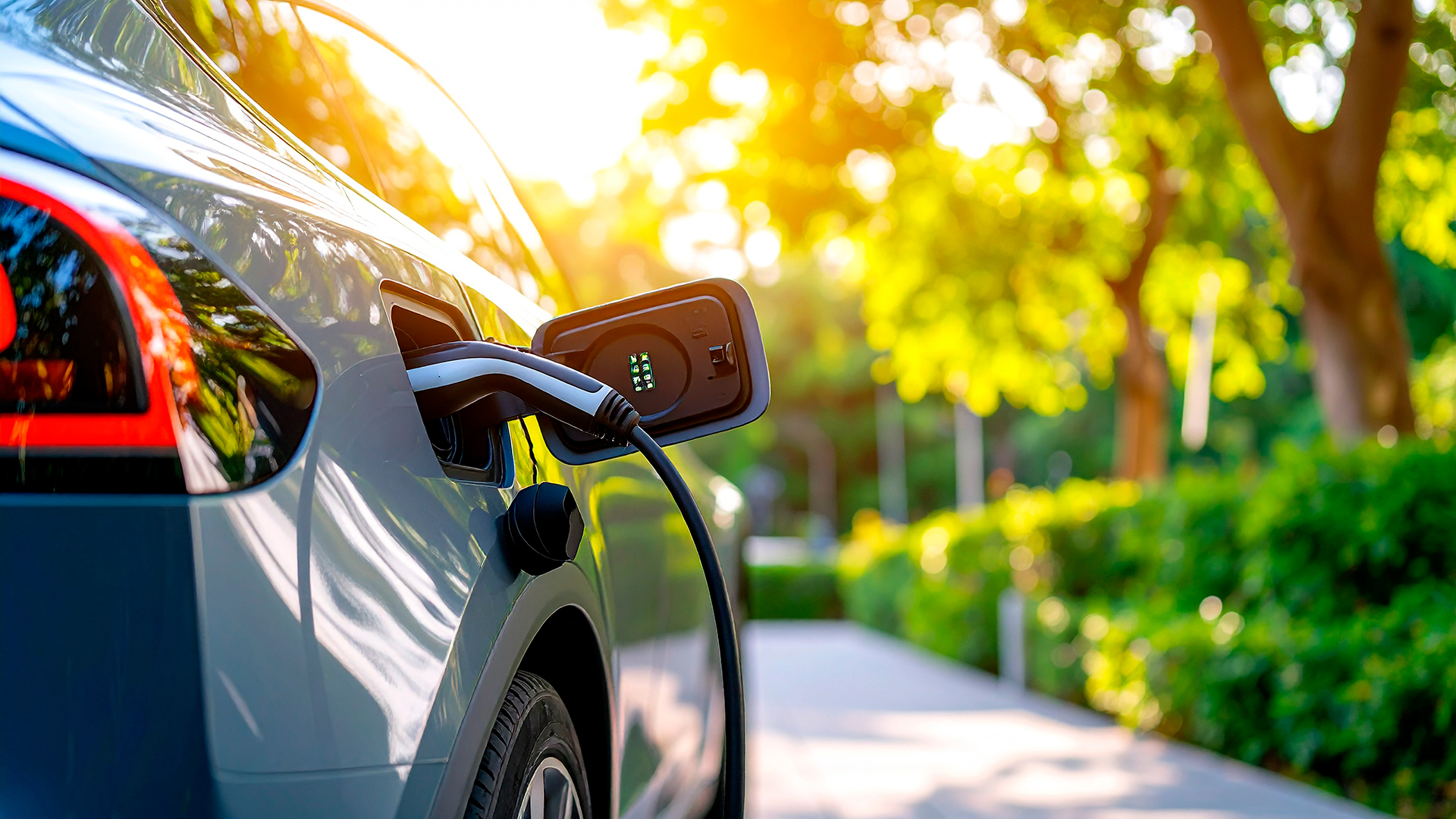
High temperatures are one of the most important environmental challenges during summer. But how does this intense heat affect electric cars? Batteries, range and charging systems can be affected if users fail to take precautions. In this article, we explain what you need to know and how to protect your electric vehicle when temperatures start to soar.
The impact of heat on batteries
Although the effects of cold temperatures on electric vehicles are often discussed, excessive heat can also be harmful, especially for batteries. Batteries work best within an optimal temperature range (between 15°C and 35°C). When temperatures exceed 40°C, the internal chemistry of the cells can deteriorate more quickly.
The main risks of heat on batteries are:
- Accelerated degradation: over time, exposing the battery to high temperatures can reduce its useful life.
- Reduced charging efficiency: a very hot battery may recharge more slowly or even be temporarily blocked for safety reasons.
- Loss of range: when the battery heats up, the cooling system is activated and consumes additional energy.
However, it should be noted that modern electric vehicles have thermal management systems that automatically monitor and regulate battery temperature, thus helping to minimise risks.
Consequences of high temperatures
Heat doesn't just put the battery to the test. Other vehicle systems can suffer:
- Engine and power electronics: excess temperature can temporarily limit performance to prevent damage.
- Slow charging in alternating current (AC): if the environment is too hot, the system can limit power to avoid overheating.
- Fast charging (DC): although fast charging is safe, it can generate more heat. On very hot days, it may be advisable to avoid repeated fast-charging sessions unless essential.
In addition, intensive use of air conditioning while driving can also affect range, especially on short journeys or in urban traffic.
Tips for driving and charging an electric car in high temperatures
To avoid problems and ensure optimal performance of your electric vehicle during the summer, we suggest the following tips:
- Park in the shade or in ventilated areas
Avoid leaving your car in direct sunlight for hours. If you have no choice, use a sunshade and lower the windows slightly to reduce interior heating.
- Do not charge immediately after driving
After a long journey, the battery may be hot. Wait a few minutes before starting to charge, especially if you are using a fast charger. This will reduce unnecessary thermal stress.
- Schedule overnight charging
Recharging at night, when the ambient temperature is lower, helps preserve battery health and improves charging efficiency.
- Avoid consecutive fast charging
Unless absolutely necessary, do not perform two consecutive fast charges on very hot days. Give the system time to cool down and, if possible, opt for an AC charge or a longer break.
- Keep the cooling system active
Do not disable energy-saving functions that affect the battery or vehicle cooling system. Manufacturers configure the vehicle to protect it, and manipulating these parameters can reduce its useful life.
- Plan long journeys
If you are planning a long trip in the middle of summer, locate charging points in advance in shaded or air-conditioned areas, especially if they are fast charging stations. It may also be useful to recharge up to 80% instead of 100%, to avoid overheating during the final charge, which is the slowest and most critical in terms of temperature.
Safe electric driving… even in summer
Electric cars are safe, efficient and increasingly resistant to climate extremes, but heat can affect their performance if they are not used correctly. By following a few best practices, you can continue to enjoy your EV with peace of mind all summer long.
Technology has provided us with tools, but conscious use makes the difference. Take care of your battery and your car... and it will take care of you.