The summer’s over and it’s back to the routine. Lots of people have spent weeks away, leaving their electric car parked in the garage or the street, unused. Electric vehicles also need a basic level of maintenance and to be returned to good working order after a spell of inactivity.
In this article we offer some simple practical tips to get your electric car back in shape and circulating safely and efficiently from day one.
What happens to an electric car when it’s not used?
Electric cars have fewer moving parts than combustion vehicles, meaning they require less maintenance, but that doesn’t mean it can be overlooked. When an EV is unused for days or weeks, some secondary effects can occur:
- Slow discharge of the traction battery and, more particularly, the auxiliary 12V battery.
- Tyre deformation if unused for a long time.
- More abrupt braking and rust in braking pads, particularly if the car has been in a damp environment.
Sensors or electrical systems de-configured or in need of updates.
If the vehicle has been parked outdoors, it may have been exposed to intense heat, rain or dirt, possibly affecting the paintwork, windows or recharging port.
What to check before you get moving?
Check the status of the main battery
Switch the car on and check the available autonomy. If the vehicle has been unused for several days without much power stored, the battery may be partially discharged. You don’t need to recharge it to 100% but you do need an optimum level to start circulating (for instance, between 60% and 80%).
Special attention to the 12V battery
Many issues with starting electric cars after a period of inactivity are linked to the auxiliary battery, which feeds the basic electrical systems (doors, brakes, on-board computer, etc.). If the car doesn’t start, it may be that this little battery is out of power.
Pressure and condition of tyres
Tyres can lose pressure or become slightly misshaped if they have not been in motion for a long time. Check:
- Recommended pressures (indicated in the manual and inside frame of the car door).
- Absence of cracks, misshaped tyres and flat spots.
- Sufficient tread (legal minimum: 1.6 mm).
Circulating with tyres in bad condition can affect consumption, safety and regenerative braking.
Braking and discs
Electric cars use brakes less thanks to regenerative braking, but this means that if the vehicle has been out of use, the brake discs may rust slightly. When you start to circulate:
- Brake smoothly to clean the brake discs.
- If you notice a metallic sound or a locking sensation, go to the garage.
Air-conditioning system and filters
If you haven’t used the air-conditioning in weeks, it may give off a smell or not cool properly. Switch it on a few minutes before circulating to check that its works properly.
Clean the recharging port
It is advisable to clean the recharging port, particularly if it has been exposed to the elements, to make sure there is no dirt, humidity or insects.
Your electric car, ready to circulate again
The return after the holidays can be a bit chaotic, but getting your electric car in prime condition is a quick task that allows you to drive safely, efficiently and with peace of mind from the first day.
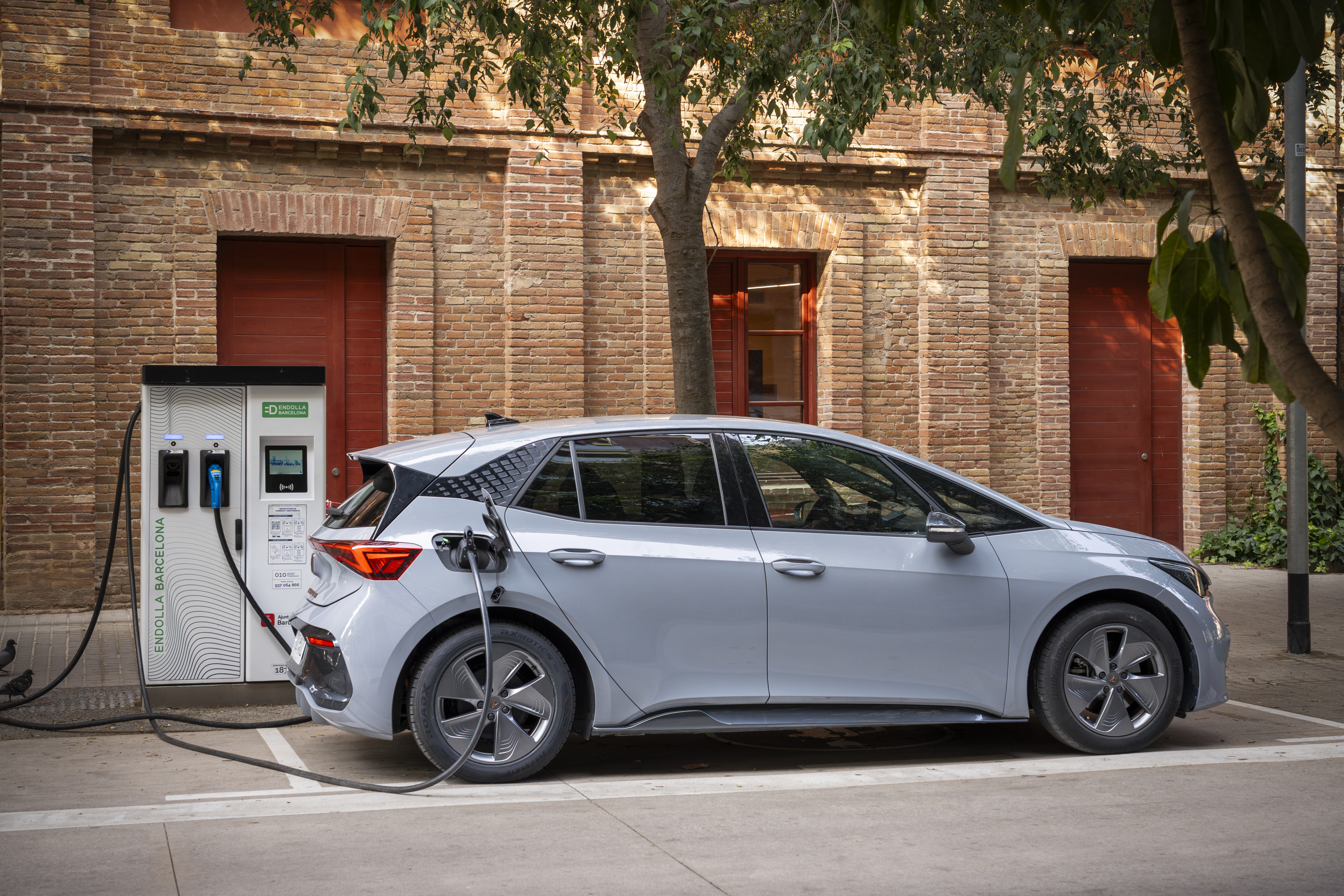
At Endolla Barcelona, we want to help you get back, with recharging points all around the city and practical information so that your electric car is always ready to use. Check the points available in your neighbourhood and follow us for more electromobility tips.